Key Takeaways:-
- Layer 1 is the security anchor; it handles consensus, data availability, and final settlement while offloading heavy computation.
- Layer 2 scales throughput by executing hundreds of transactions off-chain, bundling them into batches, and returning verified records to Ethereum.
- Rollups dominate the L2 landscape in two primary forms: Optimistic Rollups (assume validity unless challenged via fraud proofs) and Zero-Knowledge (ZK) Rollups (prove mathematical correctness upfront using validity proofs).
- Lower fees do not equal zero risk; bridging vulnerabilities, sequencer centralization, and upgrade keys require careful evaluation.
🧠 ZenvestAi Explains:- Layer 2 (L2) is a secondary framework built on top of a foundational blockchain (Layer 1, like Ethereum) to process transactions off-chain. By executing transactions away from the congested mainnet, compressing transaction records, and bundling them into single batches, Layer 2 networks achieve dramatically higher speeds and lower gas fees. Importantly, L2 does not replace Layer 1; it relies on the underlying chain’s consensus mechanism for final settlement, cryptographic verification, and core security.
At a Glance: Layer 1 vs. Layer 2
| Feature / Metric | Layer 1 (e.g., Ethereum Mainnet) | Layer 2 (e.g., Arbitrum, Optimism, zkSync) |
| Primary Role | Ultimate Security, Consensus & Settlement | Rapid Execution & Transaction Processing |
| Transaction Speed | ~15–30 TPS (Transactions Per Second) | 2,000–5,000+ TPS |
| Average Cost | Variable, frequently high during congestion | Significantly reduced (often cents or fractions of a cent) |
| Data Handling | Stores full state across global validator nodes | Compresses transaction data before settlement |
| Trust Model | Fully decentralized base-layer consensus | Inherits L1 security via cryptographic/fraud proofs |
What This Complete Guide Covers
- The Real Reason Ethereum Gets Expensive (The Scalability Dilemma)
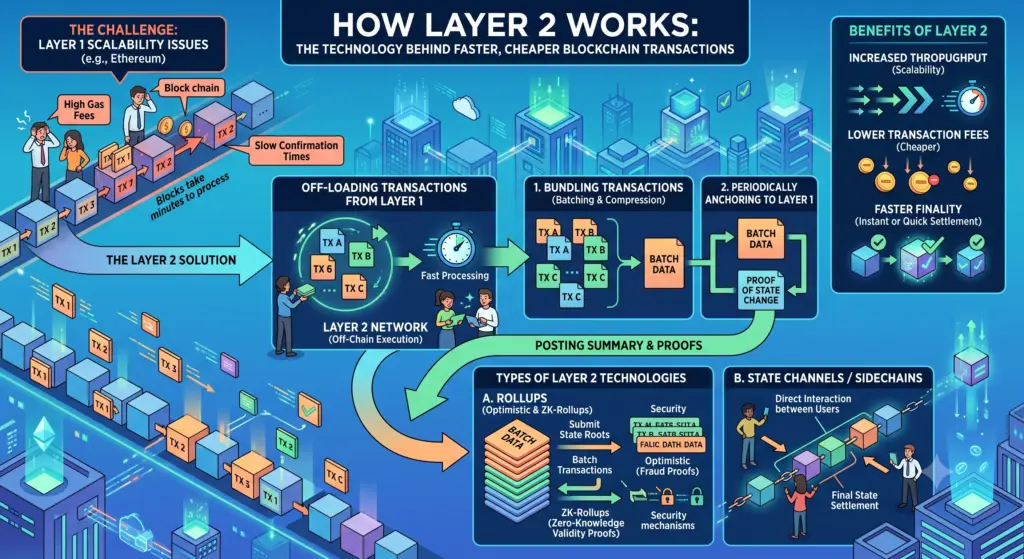
- How Layer 2 Actually Works: Step-by-Step Lifecycle
- Optimistic Rollups vs. ZK-Rollups: The Two Dominant Engines
- The Role of Sequencers and Data Availability
- Sidechains vs. Layer 2: Why the Architecture Matters
- Hidden Risks and Real-World Trade-Offs
- Jargon-Buster Glossary & Frequently Asked Questions
Why Do Blockchains Get Slow and Expensive? 🚦
Have you ever tried sending funds or swapping a token during a market surge, only to watch the required network fee spike higher than the actual transfer amount?
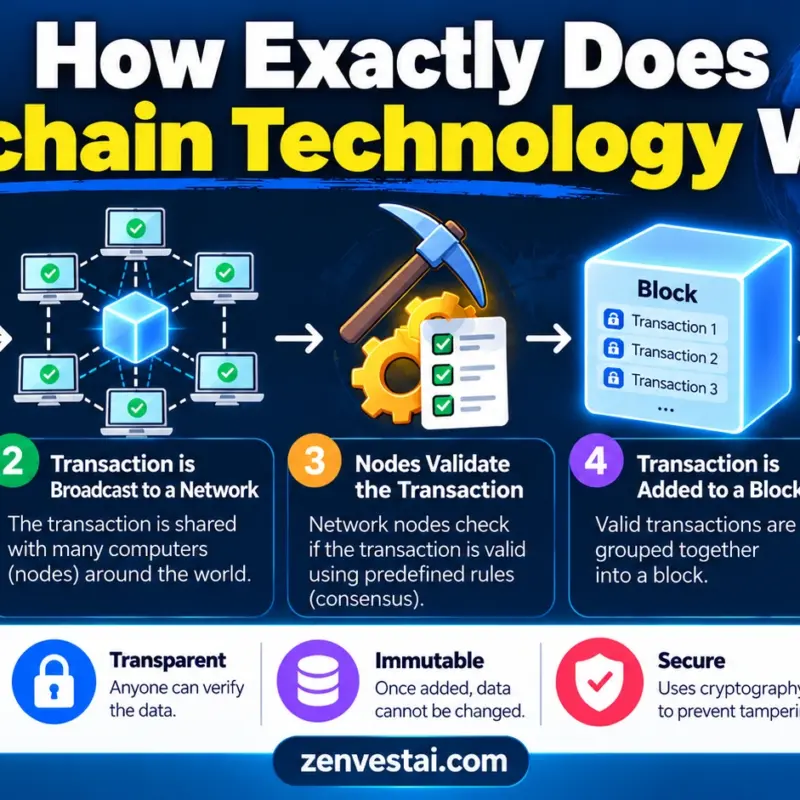
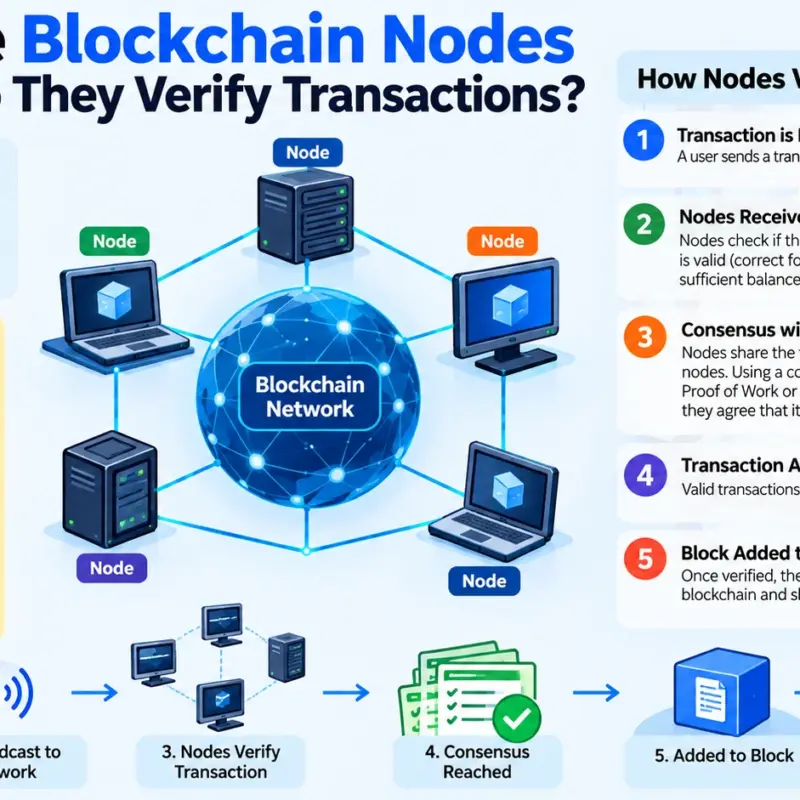
That frustration happens because foundational blockchains are built with hard limits on block capacity. To understand why this happens, explore how blockchain works under intense computational loads.
Ethereum is intentionally designed to be decentralized and verifiable on everyday consumer hardware. Because each block can only process a finite amount of computational work (gas), transactions must compete in an open auction. When thousands of traders, decentralized finance (DeFi) users, and automated bots jump into the pool simultaneously, miners and validators naturally pick transactions with the highest fee bids first.
       [ Surge in User Demand ]
                  │
                  ▼
   [ Limited Layer 1 Block Space ]
                  │
                  ▼
   [ Bidding War for Next Block ] ──► Spiking Gas Fees & Long Delays
Zenvestai Quick Insight:
Simply increasing the block size on Layer 1 isn’t a silver bullet. Demanding higher node computing power shuts out everyday participants, concentrating control among enterprise data centers and sacrificing foundational decentralization.
How Does a Layer 2 Transaction Work? (Step-by-Step) ⚡
Let’s trace a simple transfer: you send 100 USDC to a friend using an L2 network.
You (Wallet Sign) ──► Layer 2 Execution ──► Batch Compression ──► Layer 1 Settlement
1. You Authorize and Sign the Transaction
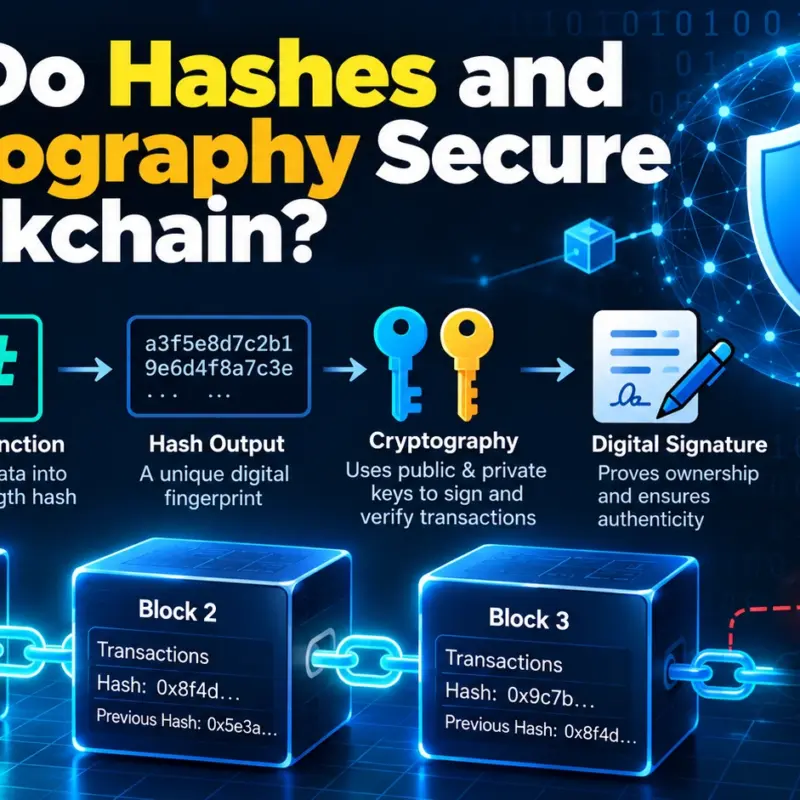
You open your Web3 wallet and confirm the transfer. Your wallet creates a digital signature with your private key to prove authorization without ever exposing the key itself.
2. The Transaction Moves to Layer 2
Instead of entering the Ethereum mainnet mempool, your transaction routes straight to the Layer 2 execution layer. Because L2 blocks process rapidly, your wallet registers an instant confirmation (soft finality).
3. State Execution Happens Off-Chain
The Layer 2 network updates its internal state ledger immediately, adjusting balances and smart contract variables without consuming Layer 1 computation:
- Account balances update
- Token allowances adjust
- Local smart contract states shift
4. Transactions Get Compressed and Batched
Rather than submitting transactions one by one, the L2 operator gathers hundreds or thousands of individual operations:
Tx₁ + Tx₂ + Tx₃ + ⋯ + Tx₁₀₀₀ → Single Compressed Batch
The gas fee required to write to Layer 1 is shared across every user in that batch, driving down your individual cost.
5. Final Proofs Post Back to Layer 1
The batch is posted directly to Ethereum mainnet for permanent record-keeping. The base chain doesn’t need to re-run every calculation; it simply stores the data and validates the state transition proofs, achieving irreversible settlement finality.
Optimistic vs. Zero-Knowledge Rollups: Which Engine Powers Your L2?
                       ┌──► Optimistic Rollups ──► Assume Valid ──► 7-Day Challenge Window
   Layer 2 Rollups ───┤
                      └──► ZK-Rollups ──────────► Cryptographic Proof ──► Instant Validity
1. Optimistic Rollups (Dispute-Driven Security)
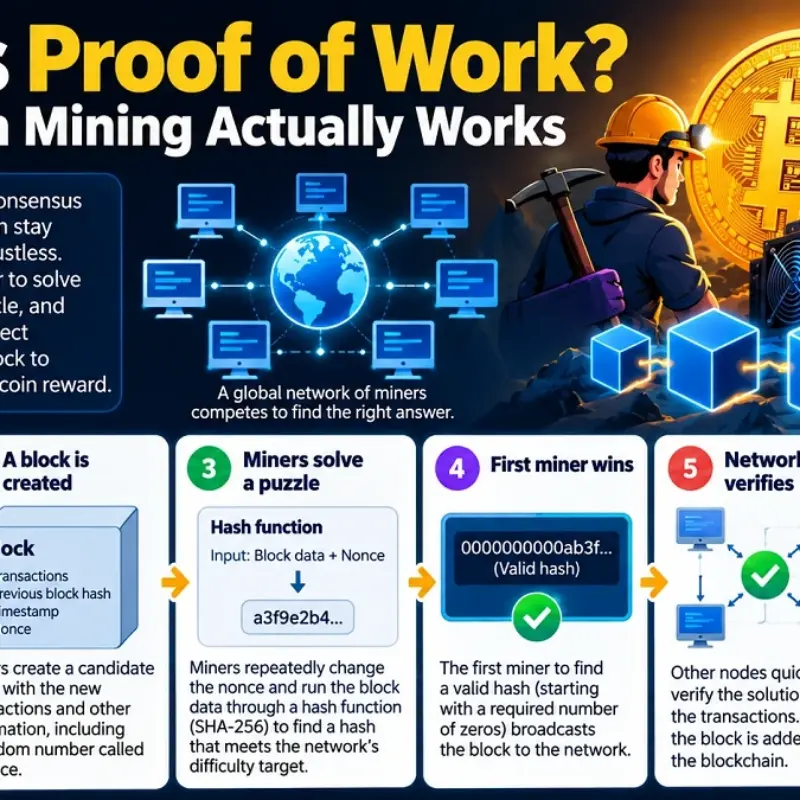
Optimistic rollups assume every transaction batch is legitimate by default. They post data to Ethereum without immediate mathematical verification, relying on a fraud-proof challenge window (typically 7 days).
- How it checks accuracy: Anyone running a verifier node can submit a fraud proof if an invalid state transition is detected.
- Economic penalty: Dishonest operators lose their staked collateral (slashing), reinforcing fundamental cryptoeconomic security principles.
- User impact: Direct withdrawals back to Layer 1 require waiting for the dispute window to close, though third-party liquidity bridges can offer faster exits for a small fee.
2. Zero-Knowledge Rollups (Math-Driven Security)
ZK-Rollups take the opposite approach: they never ask the base chain to assume honesty. Instead, the operator creates a cryptographic validity proof (such as a SNARK or STARK) alongside the compressed batch.
- How it checks accuracy: Ethereum executes a lightweight verification contract that checks the cryptographic proof mathematically.
- Instant finality: Once the proof validates on Layer 1, state transitions are final.
- User impact: Funds can be withdrawn to Layer 1 without multi-day dispute delays.
Zenvestai Quick Insight:
Optimistic rollups offer high compatibility with existing Ethereum developer tooling out of the box, whereas ZK-rollups require complex cryptographic mathematics but provide faster settlement and superior data compression.
Crucial L2 Building Blocks: Sequencers & Data Availability
What Does a Sequencer Actually Do?
A sequencer functions as the traffic controller of an L2 network. It receives inbound transactions, arranges their execution order, and produces rapid L2 blocks.
- Centralization Risk: Many current rollups operate with single or federated sequencers managed by their founding teams.
- The Path Forward: The industry is actively shifting toward shared, decentralized sequencer networks to eliminate single points of failure and prevent potential transaction censorship.
Why Data Availability (DA) Protects Your Funds
Data availability answers a foundational safety question: Is the transaction data publicly accessible so anyone can reconstruct the entire network state from scratch?
If an L2 sequencer goes offline or turns malicious, open data availability guarantees you can independently prove your balance on Layer 1 and safely withdraw your capital through emergency exit mechanisms.
Is a Sidechain the Same as Layer 2? 🔍
A common misconception is treating sidechains and Layer 2s as identical tools. They are fundamentally different architectural models.
   Sidechain ──────► Independent Consensus (Own Validators) ──► Own Security Budget
   Layer 2 Rollup ──► Off-Chain Execution ───────────────────► Ethereum Base Security
- Sidechains operate as separate blockchains running parallel to Ethereum. They maintain their own consensus mechanisms, validator sets, and security budgets. If sidechain validators collude, assets on that network can be compromised.
- True Layer 2 Rollups anchor their security directly to Ethereum. Even if an L2 execution environment freezes, the integrity of your ownership remains protected by Layer 1 smart contracts. For architectural context, see how distributed ledgers modernize finance.
Real-World Benefits vs. Trade-Offs
Key Advantages
- Micro-Cent Fees: Complex multi-step DeFi transactions, liquidity pool deposits, and token swaps become accessible without budget-draining gas spikes.
- Sub-Second Speeds: Near-instant responsiveness makes on-chain gaming, real-time social apps, and high-frequency execution practical.
- Preserved Ecosystem Security: You retain access to Ethereum’s battle-tested security framework while enjoying a modern consumer application experience.
Important Risks to Monitor
- Cross-Chain Bridge Vulnerabilities: Moving assets between layers requires locking funds in bridge smart contracts, which represent significant targets for DeFi security exploits.
- Admin Keys & Upgradeability: Many early-stage rollups use multisig governance keys to deploy rapid bug fixes, introducing temporary trust assumptions.
- Liquidity Fragmentation: When capital is split across multiple L2 networks, trade routing can experience higher slippage—making advanced DEX routing and arbitrage strategies critical for optimal execution.
Layer 2 Jargon-Buster Glossary
- Layer 1 (L1): The primary base blockchain (such as Ethereum, Bitcoin, or Solana) that provides decentralized consensus and final settlement.
- Layer 2 (L2): A secondary framework built over an L1 to handle transaction execution off-chain while relying on the base chain for security.
- Rollup: A scaling technology that compiles hundreds of off-chain transactions into a single compressed batch submitted to Layer 1.
- Fraud Proof: A cryptographic claim submitted during an Optimistic Rollup’s dispute window proving a specific transaction batch was invalid.
- Validity Proof: A mathematical proof (e.g., ZK-SNARK) confirming the absolute correctness of off-chain computation before an L1 accepts it.
- Cross-Chain Bridge: A protocol connecting distinct blockchain environments to lock, mint, or route tokens across layers.
The Bottom Line
Layer 2 networks transform how we interact with open blockchains. Instead of forcing every transaction through a crowded base layer, L2 execution environments provide the speed and affordability modern digital applications require—without compromising the decentralized security that makes public blockchains valuable. Keep up with upcoming consensus shifts via our guide on Ethereum roadmap upgrades.
📖 Technical & Official Documentation References
🏛️ Pillar Guides & Core Learning Hubs
- Complete Guide to Layer 1 Blockchains: Understand base-layer consensus, decentralization trade-offs, and settlement architecture.
- Layer 2 Scaling & Ecosystem Hub: Explore rollup implementations, state channels, and high-throughput execution models.
- The Complete Ethereum Wealth Strategy: Deep dive into ETH economics, staking mechanisms, and long-term ecosystem positioning.
- DeFi & Smart Contract Security Framework: Learn how to assess bridge safety, sequencer centralization risks, and multisig governance keys.
- Start Here: Digital Asset Onboarding: Essential foundational security, wallet setups, and risk mitigation strategies for all traders.
🏷️ Related Topics & Categories
#BlockchainBasics · #Layer2Scaling · #Layer1 · #Ethereum · #DeFi · #CryptoSecurity · #CryptoWallets · #LearnCrypto